I have spent twelve years in North Texas real estate. I’ve sat through enough closing tables to know that one thing—and one thing only—can blow a deal out of the water faster than a low appraisal: the roof.
When I see a listing that says "recently updated" with no dates, I immediately reach for my phone to start asking questions. And when a buyer says the roof looks "fine" from the driveway? I just laugh. My first thought is always: What will the inspector write up?

You Go to this site don't need to risk a fall to know if your roof is a liability. You just need to know what to look for from the ground. If you’re a seller trying to avoid a surprise repair bill, or a buyer trying to avoid a money pit, this guide is for you.
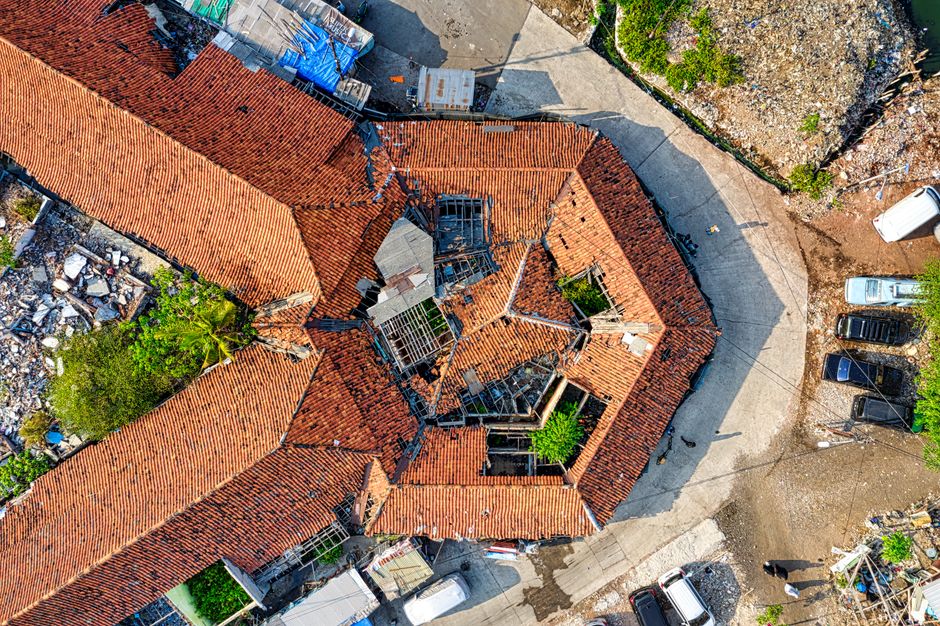
The Texas Roof Reality: Why It’s a Deal-Killer
In North Texas, our roofs take a beating. We deal with triple-digit heat that bakes the shingles, followed by hail the size of baseballs, followed by straight-line winds that rip everything else off. In my "deal-killer" trio—Roof, HVAC, and Foundation—the roof is the one that gets the most scrutiny during the option period.
If you aren't documenting your roof’s health, you are setting yourself up for an inspection-driven price reduction. When an inspector sees damage, they don't just report it; they flag it as a risk. And for your insurance company? That risk is a direct ticket to a premium hike or a policy cancellation.
The Ground-Level Roof Check: Your Strategy
You don't need a ladder to perform a decent ground level roof check. In fact, climbing on your roof is dangerous and often voids warranties. Grab a pair of high-quality binoculars and a bright flashlight, even if it's broad daylight. You are looking for anomalies that indicate the integrity of the weather barrier has been compromised.
Here is what you are looking for:
- Asymmetric damage: If one side of the house looks fine but the other is missing granules, you’ve had a localized storm event. Curling or cupping: This is a sign of thermal shock from our brutal Texas summers. It's often "hidden" from the curb view. Debris accumulation: Look at the valleys of the roof. If limbs or shingles are gathered there, water is going to pool.
Identifying the Warning Signs
Most homeowners look at their roof and see "shingles." You need to see "components." If the inspector writes up shingle damage, he’s going to talk about exposed asphalt. Once the granules are gone, the asphalt is exposed to UV rays, which leads to brittleness and failure.
The Gutter Granule Test
Walk around the perimeter of your home and look at the base of your downspouts. If you see piles of gutter granules, that is your "check engine" light. Those granules are the sunscreen for your shingles. If they are in your gutters, they aren't on your roof, and your roof is effectively "sunburnt."
Visual Clues Table
Observation What it usually means Missing Granules in Gutter Advanced aging or severe hail damage. Bruises/Dents on Vent Caps Direct hail impact; check shingles nearby. Curled Shingle Edges Heat degradation or improper ventilation. Loose Flashing Improper installation or wind uplift.Insurance Underwriting and the "Fine" Myth
I hear sellers tell me their roof is "fine" all the time. But "fine" doesn't mean "insurable." Insurance companies are looking for any excuse to move a home into a higher risk category. If your roof is over 10-15 hail claim roof impact years old, underwriters are already looking at your policy with a magnifying glass.
If the inspector finds storm damage that you didn't disclose, your buyer's lender might force an escrow holdback or demand an immediate replacement. This is where ActiveRain (activerain.com) is a great resource. If you talk to other agents, they’ll tell you the same thing: documented, professional inspections performed *before* you list save deals. If you don't have a record of repairs, expect the negotiation to turn south.
Inspection-Driven Negotiations
The inspection isn't meant to be a tool to rebuild a house. However, it is an inspection-driven negotiation trigger. If an inspector identifies widespread shingle damage, the buyer is going to ask for a repair, a credit, or a price reduction. Because I know what the inspector will write, I always advise my sellers to get a pre-listing inspection or a professional assessment from a company like Fireman’s Roofing Texas (firemansroofingtexas.com).
When you have a professional report in hand before the buyer's inspector shows up, you control the narrative. You aren't "hiding" damage; you are disclosing it and accounting for it in the sales price. That transparency prevents the panicked "walk-away" that happens when a buyer feels lied to by a vague "recently updated" claim.
Storm Preparedness: FEMA and Beyond
Living in Texas means we are constantly in the crosshairs of extreme weather. I always point my clients to FEMA (fema.gov) for their property-specific preparedness guides. They provide excellent documentation on how to fortify homes against wind and water.
Being prepared isn't just about safety; it's about value. A home that has been maintained to FEMA-recommended standards is a home that holds its value during a down market. If you don't know the last time your roof was inspected, treat it as "at-risk." Don't wait for a storm to tell you that you have a leak.
Final Thoughts: Don't Guess, Get Documentation
If I could give one piece of advice to a seller, it’s this: Stop calling your roof "fine" and start calling it "documented." If you aren't sure about the state of your shingles, bring in a pro. Fireman’s Roofing Texas knows exactly what insurance adjusters look for, and they won't feed you the "it's fine" line if it isn't.
Buying or selling in North Texas is intense. The climate is unforgiving, and the market doesn't suffer fools. If you see signs of damage from the ground, trust your gut. You’re the one who is going to have to explain it to the next inspector anyway. Better to do it on your terms than at the closing table.