When I first started helping my realtor friend move property, we were looking at a $2,400 physical staging quote for a vacant condo. That number felt like a punch to the gut for a listing that just needed a little "pop." We decided to experiment with virtual staging instead, and I’ve spent the last 200+ hours since then stress-testing platforms, tweaking lighting, and meeting those impossible Friday-night-before-the-open-house deadlines.
If you are a new agent, your staging portfolio is your currency. It signals to potential sellers that you understand how to maximize their property’s value without burning through their entire equity on rental furniture. But here is the golden rule I tell everyone before we even look at a platform: Did you reshoot the photo first? If you are staging a blurry, dark, or poorly composed shot, you are just polishing a turd. Garbage in, garbage out—even with the best AI.
AI Virtual Staging vs. Physical Staging: The Cost Breakdown
Physical staging has its place, especially for luxury properties where the tactile experience of walking through a home matters. However, for 90% of your listings, it’s an unnecessary overhead. Physical staging requires movers, insurance, storage, and monthly rental fees. Virtual staging requires a high-quality JPEG and a credit card.
Let’s look at the financial reality. Physical staging for a standard living room can easily run $1,500–$3,000. Virtual staging, on the other hand, allows you to show potential buyers the "lifestyle" of the home for a fraction of the cost.
Price Comparison Reference
Service Type Estimated Cost (Per Room) Turnaround Time Physical Staging $1,500 - $4,000+ 3–7 Days Virtual Staging (e.g., BoxBrownie) $32 - $48 24 - 48 HoursFor a new agent trying to preserve your marketing budget, that $32–$48 price point per image is a game-changer. It means you can stage an entire house for less than the cost of one month of physical furniture rental.
The Quest for Photo Realism: Shadows, Scale, and Light
The biggest amateur mistake I see on MLS? Massive couches stuffed into tiny dens or "floating" tables that don't cast a shadow. When building your before and after staging content, you need to be critical. Your clients aren't paying for "The Sims" graphics; they are paying for a visualization of a home.
1. Scale is Non-Negotiable
If the furniture is too big for the room, it looks like a dollhouse. If it’s too small, the room looks like an empty cavern. Use the dimensions of the room (if you have them) to guide your choices. If you don't have them, use floor tiles or door frames as your scale reference points.
2. Shadows and Lighting
This is where "cheap" staging fails. Every piece of furniture must have a shadow that matches the light source in the original photo. If your window is to the left, your chair’s shadow should be to the right. If the lighting in the room is warm (yellowish), don't put bright, clinical, cool-white furniture in it. Exactly.. It looks like a composite image from a bad Great site 1990s magazine ad.
My "Room That Breaks AI" List
Not every room is a candidate for virtual staging. Before you upload that file, check it against my "Room That Breaks AI" list. If the photo hits these criteria, you are going to get a bad result:
- The Dark Cave: If there is no natural light, the AI will struggle to render textures correctly. The Narrow Kitchen: Fisheye lenses make kitchen islands look like aircraft carriers. AI cannot fix bad lens distortion. Awkward Angles: Extreme corner shots often result in furniture that looks like it’s melting into the wall.
Turnaround Times and Listing Deadlines
In this industry, time is literally money. I've seen this play out countless times: wished they had known this beforehand.. I count everything in turnaround times. If you have a listing going live on a Tuesday, you cannot be waiting 72 hours for a designer to get back to you. Most professional platforms offer 24-hour turnarounds. Use them. If you’re submitting on a Friday, make sure you know the platform’s weekend policy—some services count "business days," which can derail your entire new realtor marketing launch schedule.
Photography (30 seconds): Check for straight lines and proper exposure before you hit "upload." Submission (5 minutes): Give specific instructions. "Mid-century modern" is better than "something nice." Review (10 minutes): Once you get the image back, check for errors. Don't be afraid to send it back for a revision if the shadow looks fake.MLS Workflow and Disclosure Rules
Listen closely: you are a professional, not a digital artist trying to pull a fast one. Transparency is legally required.
When you upload your before and after staging images to the MLS, you must comply with your local board’s rules. In most regions, this means:
- Disclosure: Every virtualized image must be clearly labeled as "Virtually Staged." The Disclaimer: Include a note in the property description stating: "Some images have been virtually staged to show the home's potential." Originals: Keep the original vacant photo in the listing order so buyers know exactly what they are walking into.
Failing to disclose these edits is not just bad ethics—it's a massive liability. If a buyer shows up expecting a furnished home and finds an empty shell, you’ve just lost their trust and typically opened yourself up to a complaint.
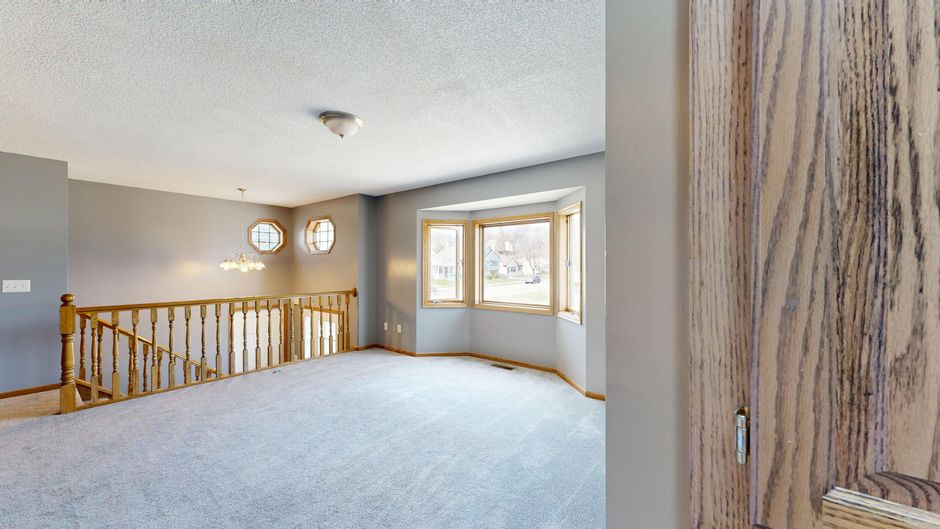
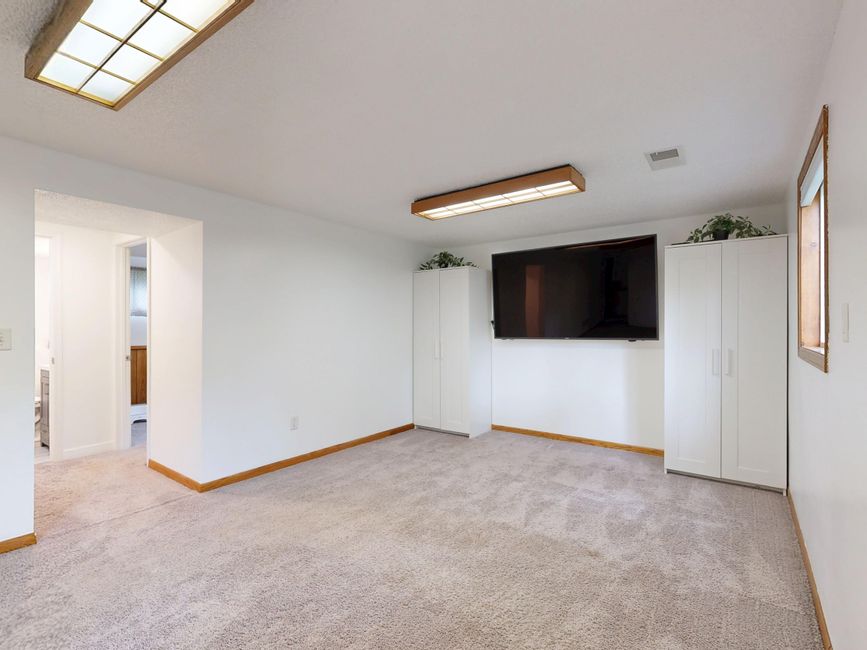
Building Your Portfolio
Think about it: to start, don't wait for your own listings. If you https://dlf-ne.org/what-technical-skills-do-i-need-to-start-virtual-staging-in-30-minutes/ are a new agent, offer to stage a vacant room for a colleague’s listing in exchange for the right to use the photos in your marketing materials. Create a PDF or a "Staging" tab on your website that showcases the before and after staging side-by-side. This is the most persuasive tool you have to show sellers that you go the extra mile to market their property effectively.
Stop overpaying for physical staging and stop ignoring the potential of empty rooms. Clean your lens, find a reputable platform, and start building that portfolio. Your sellers—and your bank account—will thank you.